
The day after Valentine’s Day
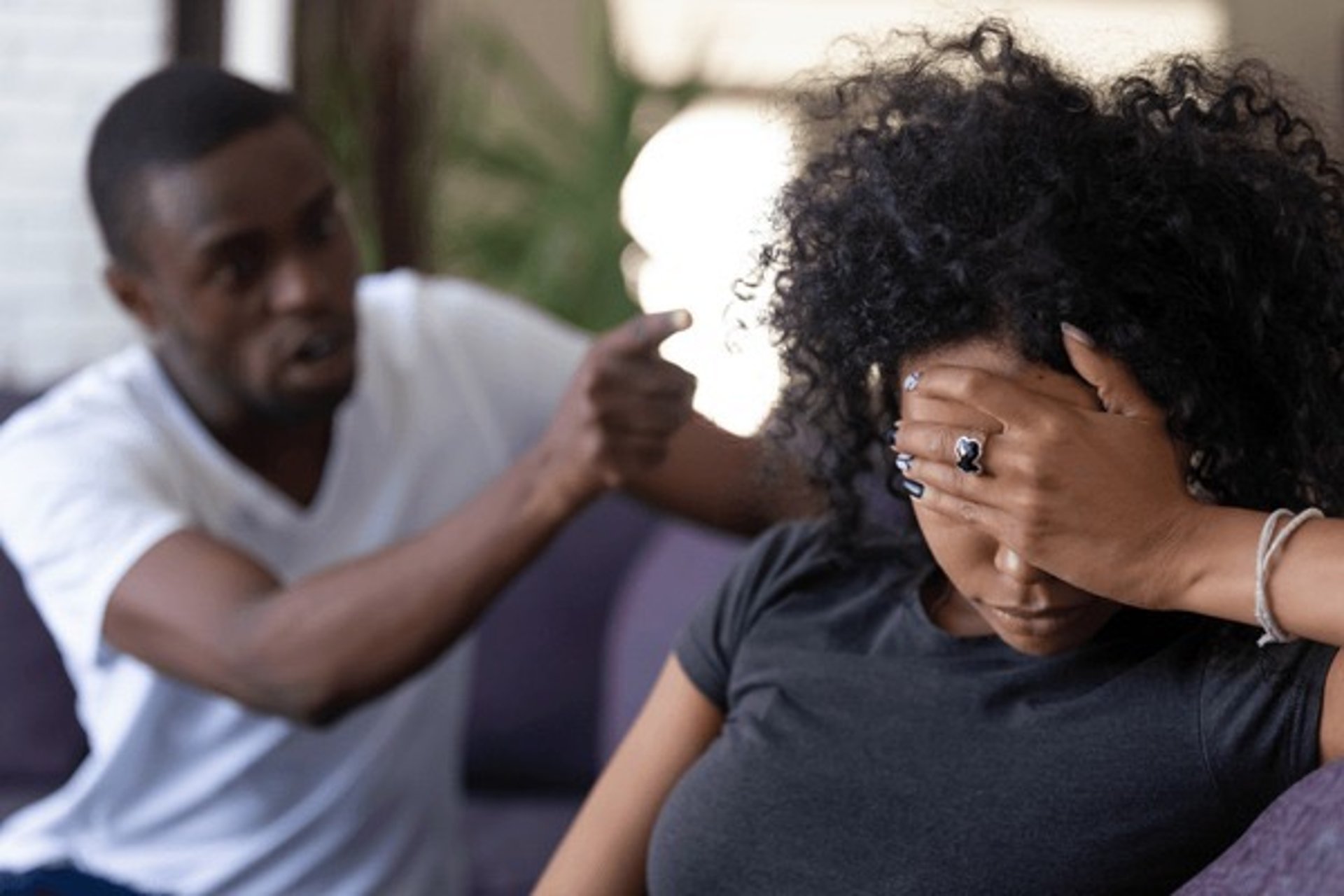
They met three days before Christmas, in that strange pocket of time when people are generous with strangers and reckless with hope. The bar had fake snow in the windows and a playlist stuck on old soul songs. He bought her hot chocolate with rum in it. She said she hated rum and drank it anyway. By New Year’s, they were calling each other “we” like it had always been that way. Love came fast, like a flash sale. He talked about savings the way some men talk about land, like it existed even if you’d never seen it. “I’m good,” he’d say, tapping his chest. “I don’t stress money.” She nodded, because she liked the sound of it. Her own bank account was a revolving door, rent in, groceries out, impulse jacket, overdraft fee like a mosquito bite you don’t notice until it’s itching. They never compared numbers. They compared dreams. Valentine’s Day arrived with plastic hearts and cold wind. They did gifts instead of dinner because both said they were “watching spending.” He gave her a candle that smelled like vanilla cake. She gave him a mug with a cartoon bear that said World’s Best. They smiled too hard, like people at a family photo you know will never be framed. There was a pause. A tiny cough of disappointment. Nobody said the word cheap, but it sat between them like a receipt. The next morning, she borrowed his car to grab coffee. The sun cut through the windshield and lit up the console. That’s when she saw it, an ATM slip folded like a secret. Negative balance. A number that looked like a bruise. She stared at it long enough to memorize it, then put it back like a crime scene. At home, she set the coffee down and said, “Hey, why would your account be negative?” He blinked. “What?” “In your car.” Silence, then a shrug. “That’s old. I move money around.” He said it casually, like switching lanes. But his eyes kept circling the room, checking exits. She heard a different sentence underneath his Don’t ask me again. It’s funny how money changes the weather. By lunch, the apartment felt like a submarine pressurized, quiet, everyone watching gauges. She thought about her candle. He thought about the mug. The gifts had been a warning label, perhaps. Two people expecting steak and serving crackers. “Why didn’t you tell me?” she asked later, sitting on the edge of the bed like a witness. “I don’t have to report to you,” he said. “I’m not asking for a report. I’m asking for the truth.” Truth came out sideways. He admitted he’d been between things longer than he said. She admitted she had three apps for borrowing money and none for saving it. They discovered their confidence had been a costume, rented for the season. It seems neither of them wanted to be the weak link, so they both pretended to be the chain. By the day after Valentine’s, they were playing battleship with words. “You sunk my trust.” “You never had coordinates.” “You expect luxury.” “You promised stability.” They fought about candles and mugs like generals arguing over flags while the bridge leaked. He said she spent like a storm. She said he hid like a drawer. They made charts in their heads who paid what, who owed whom, like accountants for a relationship that had never opened a joint account. Outside, couples walked by with roses wilting in the cold. Inside, they negotiated terms of peace budgets scribbled on envelopes, promises tied with twine. They tried to name the problem something softer than money. Communication, maybe. Timing. But the receipt kept its voice. By March, they were quieter. Not broken, just cautious. Love still lived there, but it wore shoes indoors now. They learned that romance is a language, and finance is a dialect you can’t fake for long. And sometimes, the cheapest gift isn’t the candle or the mug, it’s the story you tell about what you can afford to be.